• About
    arrow_drop_down
    • SDGsTracker
      arrow_drop_down
      • Background
      • Methodology
      • Launch Events
    • Team
    • Contact Us
  • Countries
  • Ranking
  • Progress
    arrow_drop_down
    • VNRs Submission
    • Individual SDGs
    • Overall SDGs
      arrow_drop_down
      • Achieved
      • On-Track
      • Off-Track
        arrow_drop_down
        • Moderately Off-Track
        • Off-Track
        • Severely Off-Track
      • No Progress
  • Challenges
  • Contribution
  • Lessons Learned
  • Reports
  • Impact
  • Interactive Maps
Sign in or Register

World 2025

  • Send an email
  • Other Countries
  • Overview
  • SDGs Progress
  • Challenges
  • Lessons Learned
  • Contribution
  • Experts
  • Universities
  • Events
  • Video
  • prev
  • next
  • prev
  • next
Overview

Ten years after the adoption of the 2030 Agenda for Sustainable Development Goals (SDGs) in 2015, the United Nations Sustainable Development Goals (UNSDGs) Report 2025 provides a comprehensive assessment of global progress towards achieving the 17 SDGs. The report highlights notable achievements over the past decade while emphasising the urgent need to accelerate implementation to meet the 2030 targets.

Since 2015, significant progress has been made across several areas of sustainable development. More than half of the world's population now benefits from some form of social protection, representing an increase of 10 percentage points over the past decade. Child marriage and maternal and child mortality rates have declined, more young people, particularly girls, are completing school, women's representation in national parliaments has increased from 22% to 27%, access to electricity and clean cooking has expanded, and Internet connectivity has increased by 70% (UNSD, 2025a; UNSD, 2025b).

Despite these achievements, global progress remains insufficient. The report finds that only 35% of SDG targets are on track or making moderate progress, while nearly half are progressing too slowly and 18% are moving in reverse. More than 800 million people continue to live in extreme poverty, carbon dioxide concentrations are at their highest levels in over two million years, 2024 was the hottest year on record, more than 120 million people have been forcibly displaced, and debt servicing costs in low- and middle-income countries reached a record US$1.4 trillion. These findings underscore the need for accelerated action, strengthened partnerships and increased investment to achieve the SDGsby 2030 (UNSD, 2025a; UNSD, 2025b).

Recommendations 

  1. Accelerate implementation of the six critical SDG transitions identified in the UNSDGs 2025: food systems, energy, digital connectivity, education, jobs and social protection, and climate and biodiversity.
  2. Increase investment and mobilise sustainable financing to accelerate progress across all SDGs.
  3. Strengthen social protection systems, reduce poverty and inequality, and ensure that no one is left behind.
  4. Expand access to quality education, healthcare, clean energy and digital technologies through inclusive public policies.
  5. Strengthen climate action, biodiversity conservation and environmental resilience to address accelerating global climate risks.
  6. Promote gender equality by removing barriers to women's participation in education, employment, leadership and public life, and by eliminating gender-based violence.
  7. Enhance international partnerships, policy coherence and national statistical capacity to improve implementation, monitoring and accountability for the 2030 Agenda.

Conclusion

The UNSDGs Report 2025 demonstrates that, although important progress has been achieved since 2015, global implementation of the 2030 Agenda for Sustainable Development remains insufficient. The report finds that only 35% of SDG targets are on track or making moderate progress, while nearly half are progressing too slowly and 18% are moving in reverse. More than 800 million people continue to live in extreme poverty, 2024 was the hottest year on record, more than 120 million people have been forcibly displaced, and debt servicing costs in low- and middle-income countries reached a record US$1.4 trillion. At the same time, notable progress has been made, including a 10%-point increase in social protection coverage since 2015, an increase in women's parliamentary representation from 22% to 27%, and a 70% increase in Internet connectivity. These findings highlight the urgent need for accelerated implementation, strengthened international cooperation and increased investment to achieve the SDGs by 2030.

Refrences

  1. United Nations Statistics Division (UNSD). (2025a): The Sustainable Development Goals Report 2025. New York: United Nations. Available at: https://unstats.un.org/sdgs/report/2025/
  2. United Nations Statistics Division (UNSD). (2025b): The Sustainable Development Goals Extended Report 2025. New York: United Nations. Available at: https://unstats.un.org/sdgs/report/2025/extended-report
Social Networks
  • Website
  • YouTube
  • LinkedIn
  • Facebook
  • Twitter
  • Instagram
Location

United Nations, New York City, New York 10017, United States
Get Directions
Region
  • USA
  • North America
SDGs Progress Tracker
  • SDGs Completion % 34
  • SDGs On-Track % 6
  • SDGs Achieved % 0
Sustainable Development Goals Reports

SDG 1 (No Poverty)

No data available for this selection yet.

SDGs World Progress: On-Track
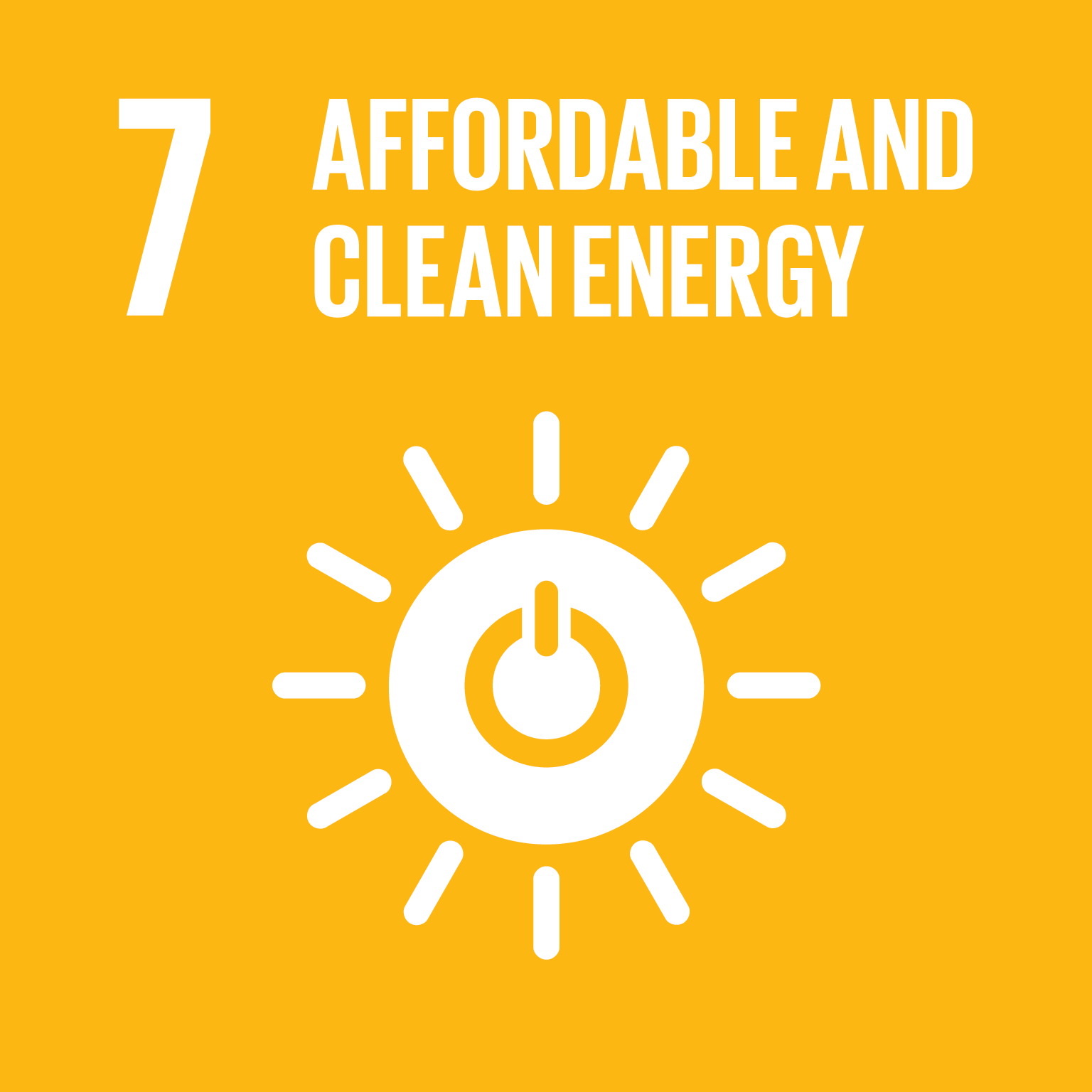
  • SDG7
SDGs World Progress: Moderately Off-Track
  • SDG3
  • SDG8
  • SDG4
  • SDG6
  • SDG9
  • SDG17
SDGs World Progress: Off-Track
  • SDG1
  • SDG2
  • SDG5
  • SDG10
  • SDG11
  • SDG12
  • SDG14
  • SDG15
SDGs World Progress: Seriously Off-Track
  • SDG13
  • SDG16
Country Challenges
  1. Global progress remains insufficient, with only 35% of SDG targets on track or making moderate progress, while nearly half are progressing too slowly and 18% are moving in reverse.
  2. More than 800 million people continue to live in extreme poverty, limiting progress towards inclusive and sustainable development.
  3. Hunger and food insecurity remain above pre-pandemic levels, with 8.2% of the global population experiencing hunger and around 2.3 billion people (28%) facing moderate or severe food insecurity in 2024.
  4. Climate change continues to intensify, with 2024 recorded as the hottest year on record and carbon dioxide concentrations reaching their highest levels in over two million years.
  5. Increasing conflict and insecurity have resulted in more than 120 million people being forcibly displaced, more than double the number recorded in 2015.
  6. Rising debt burdens continue to constrain sustainable development, with debt servicing costs in low- and middle-income countries reaching a record US$1.4 trillion.
  7. Persistent inequalities, financing gaps, limited institutional capacity and inadequate data availability continue to hinder effective implementation and monitoring of the SDGs.
Country Lessons Learned
  1. Integrate sustainable development into a National Sustainable Development Strategy supported by a comprehensive monitoring framework linking national priorities with the SDGs.
  2. Strengthen Policy Coherence for Sustainable Development by aligning climate, energy, environmental and socio-economic policies within a single governance framework.
  3. Use official national statistical systems, led by institutions such as ISTAT, to monitor SDG implementation through robust, evidence-based indicators.
  4. Promote VLRs and VRRs to strengthen SDG localisation, accountability and stakeholder participation.
  5. Embed Education for Sustainable Development and civic education across the education system to promote sustainability awareness from an early age.
  6. Foster strong partnerships among government, academia, civil society, youth organisations and the private sector to support inclusive SDG implementation.
Country Contribution
  1. More than half of the world's population now benefits from some form of social protection, representing an increase of 10 percentage points since 2015.
  2. Women's representation in national parliaments increased from 22% in 2015 to 27%.
  3. Internet connectivity increased by 70% since 2015, expanding digital access worldwide.
  4. Global access to electricity reached 92% in 2023, reflecting continued progress towards universal energy access.
  5. Social protection coverage increased to 52.4% of the global population in 2023.
  6. Global hunger declined from 8.5% in 2023 to 8.2% in 2024.
  7. The global maternal mortality ratio declined from 228 deaths per 100,000 live births in 2015 to 197 in 2023.
  8. Global under-five mortality declined from 44 deaths per 1,000 live births in 2015 to 37 in 2023.
  9. AIDS-related deaths declined from 1.4 million in 2010 to 630,000 in 2024.
  10. By the end of 2024, 54 countries had eliminated at least one neglected tropical disease.

You May Also Be Interested In

Serbia

The Republic of Serbia presented its first Voluntary National Review (VNR) at the United Nations High-level…
  • Phone

Morocco

Morocco submitted this Voluntary National Review (VNR) in preparation for its second assessment of progress…
  • Phone

Lebanon

Lebanon, a small upper-middle-income country with a democratic system, a service-led economy and a diverse…
  • Phone

© Sdgstracker

Cart

  • Facebook
  • Twitter
  • WhatsApp
  • Telegram
  • LinkedIn
  • Tumblr
  • VKontakte
  • Mail
  • Copy link